Ultimate Guide To Komatsu Pump Maintenance: Troubleshooting, Repairs, And Wear Prevention Tips
Complete Guide to Komatsu Pump Maintenance and Troubleshooting
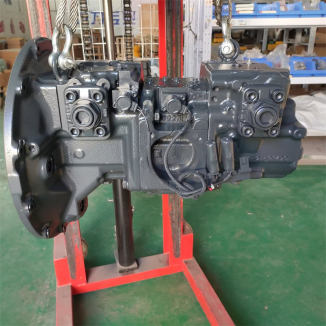
The Komatsu hydraulic pump plays a vital role in a bulldozer’s hydraulic system by converting mechanical energy into hydraulic power. Due to its importance, any malfunction can significantly affect overall machine performance. Proper maintenance and early fault detection are essential to minimize downtime and avoid costly repairs.
Common Komatsu Pump Issues
1. Gear Pumps: Wear and Internal Leakage
Gear pumps are commonly affected by wear and leakage. As internal components deteriorate over time, clearances increase, leading to higher internal leakage. In severe situations, the pump housing or side plates may become damaged beyond repair, requiring full replacement. Shaft seals are also frequent failure points and should be inspected regularly.
2. Vane Pumps: Sensitivity to Contamination
Compared to gear pumps, vane pumps experience less wear but are highly sensitive to oil contamination. Impurities in the hydraulic oil can cause sticking, blockage, or accelerated wear due to the tight tolerances of internal parts. Maintaining clean oil and ensuring proper suction conditions are critical for reliable operation.
3. Piston Pumps: High Precision Requirements
Piston pumps, including axial and radial designs, demand precise component tolerances and high-quality hydraulic oil. Contamination or improper assembly can result in early failure symptoms, such as reduced self-priming ability or excessive internal forces. Effective filtration and oil quality control are essential for preventing these issues.
Key Maintenance Tips for Long-Term Performance
Regular maintenance is crucial for extending the lifespan of hydraulic pumps and maintaining optimal efficiency.
1. Pay Attention to Unusual Noise
Abnormal sounds or vibrations during operation may indicate issues such as air ingress, insufficient lubrication, or overloading. Immediate inspection and corrective action are necessary to avoid further damage.
2. Monitor Pressure and Temperature
Check system pressure regularly to ensure it remains within the recommended range. Irregular pressure readings may signal developing faults. Additionally, monitor hydraulic oil and cooling system temperatures to prevent overheating, which can severely damage the pump.
3. Check Hydraulic Oil Condition
Inspect hydraulic oil periodically for contamination, discoloration, or degradation. Poor oil quality can significantly reduce pump performance and accelerate wear. Keeping oil clean is one of the most effective ways to prolong pump life.
4. Address Oil Leaks Promptly
Leaks often result from worn seals or damaged components. Regular inspections and timely repairs are essential to prevent further system damage. Using high-quality or original replacement parts helps maintain system reliability.
Identifying Early Failure Symptoms
Recognizing early warning signs can help prevent major breakdowns. Typical indicators include:
Unusual noise or vibration
Overheating
Oil leakage
Reduced performance or efficiency
If any of these symptoms appear, immediate troubleshooting is recommended to avoid complete system failure.
When to Seek Professional Repair Services
For serious faults, professional repair services may be required. These can include component replacement, leak repair, or complete pump overhauls. Timely intervention helps reduce downtime and lowers long-term maintenance costs.
Best Practices to Prevent Pump Wear
Implementing preventive measures is key to maintaining performance and avoiding premature failure:
1. Perform Regular Oil and Filter Changes
Routine replacement of oil and filters ensures proper lubrication and system cleanliness.
2. Detect Problems Early
Monitor for early signs such as noise or vibration and resolve issues before they worsen.
3. Maintain Proper Operating Conditions
Ensure pressure and temperature remain within specified limits to avoid unnecessary stress on the pump.
4. Use High-Quality Components
Always select reliable, high-quality replacement parts to ensure durability and long-term performance.
Conclusion
Consistent monitoring, timely troubleshooting, and proper maintenance are essential for keeping hydraulic pumps operating efficiently. Whether issues arise from wear, contamination, or component failure, early action can prevent expensive repairs and extended downtime. By following best practices and maintaining high standards, you can significantly extend the service life of your equipment and ensure stable performance.