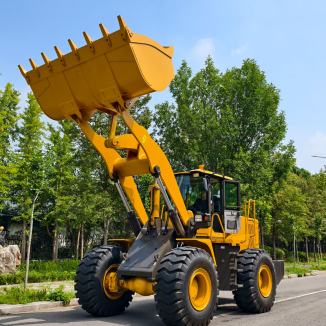
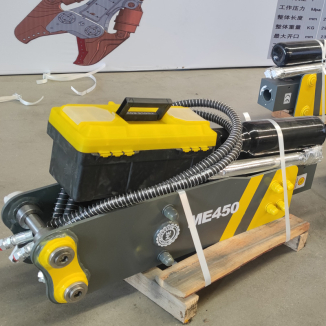
Do you know the daily maintenance precautions of shovels, loaders, bulldozers and excavators?
Daily Inspection and Maintenance of Hydraulic Excavators
Routine inspection is essential to ensure the long-term, efficient operation of a hydraulic excavator. For owner-operators, consistent daily checks can significantly reduce maintenance costs and prevent unexpected downtime.
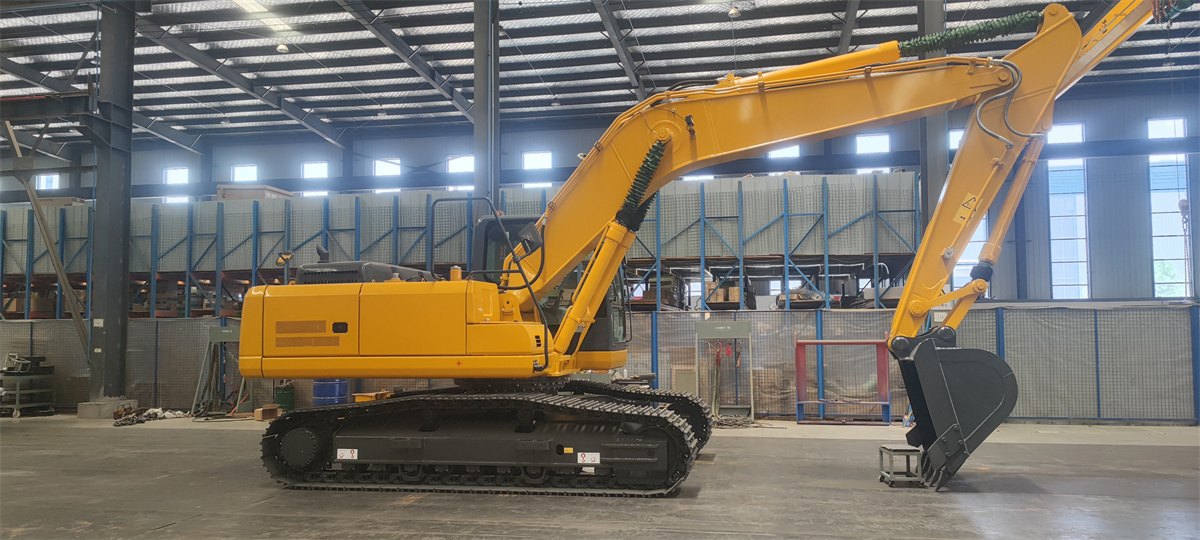
1. Pre-Operation Inspection
Begin with a full walk-around inspection of the machine. Check the overall condition of the structure, undercarriage, and swing system, including the slewing bearing for any signs of oil leakage.
Inspect the travel reduction unit, braking system, and all crawler bolt fasteners. Ensure bolts are properly tightened and replace any that are damaged or loose. For wheeled excavators, examine the tires for abnormalities and confirm proper inflation and stability.
Evaluate the wear condition of the bucket teeth. Excessive wear increases digging resistance, reduces efficiency, and accelerates wear on other components.
Check the boom, arm, and hydraulic cylinders for cracks or oil leaks. Also inspect the battery electrolyte level to ensure it remains above the minimum mark.
The air filter plays a critical role in preventing dust from entering the engine. It should be inspected and cleaned regularly to maintain proper airflow.
Additionally, monitor fluid levels including fuel, engine oil, hydraulic oil, and coolant. Always use fluids that meet the manufacturer’s specifications and keep them clean to avoid contamination.
2. Post-Start Inspection
After starting the machine, perform the following checks:
Ensure the horn and all instruments are functioning properly
Observe engine startup performance, including noise and exhaust color
Check for any leaks of engine oil, fuel, or coolant
Fuel Management
Select diesel fuel grades according to ambient temperature requirements. Fuel must be clean and free from water, dust, or impurities to prevent premature wear of the fuel pump. Low-quality fuel with high paraffin or sulfur content can damage the engine.
Keep the fuel tank adequately filled to minimize internal condensation. Before daily operation, and after fuel depletion or filter replacement, air should be properly bled from the fuel system.
Management of Other Oils
This includes engine oil, hydraulic oil, and gear oil. Different oil types and grades must not be mixed, as each contains specific additives with unique chemical and physical properties.
Ensure all oils remain clean and free from contaminants such as water, dust, or particles. Select oil viscosity based on environmental temperature: higher viscosity for high temperatures and lower viscosity for colder conditions. Gear oil typically has higher viscosity for heavy loads, while hydraulic oil requires lower viscosity to reduce flow resistance.
1. Proper Selection of Hydraulic Oil
(1) Viscosity Requirements
Hydraulic oil viscosity should remain within an optimal operating range (16–36 × 10⁻⁶ m²/s) to ensure system efficiency. The lowest ambient temperature corresponds to higher viscosity limits, while the maximum allowable oil temperature is approximately 90°C.
(2) Viscosity Index (VI)
The viscosity index indicates how much oil viscosity changes with temperature. A higher VI means better stability. Premium anti-wear hydraulic oils from international brands typically have a VI around 110, while advanced domestic oils are around VI 95. High-performance oils (HV type) can exceed VI 140.
A lower VI reduces the oil’s effective operating temperature range. Users should consult oil manufacturers when necessary and adjust equipment settings accordingly.
(3) Overall Performance
Modern hydraulic systems operate under high pressure (up to 32 MPa) and elevated temperatures. Therefore, hydraulic oil must offer excellent lubrication, oxidation resistance, anti-wear properties, corrosion protection, anti-emulsification, anti-foaming, shear stability, and extreme pressure resistance.
2. Hydraulic Oil Cooling System
A well-functioning cooling system ensures the hydraulic oil temperature remains within an optimal range during continuous operation and allows quick warm-up in cold conditions.
If overheating occurs despite using proper oil, check the following:
Whether the oil cooler is clogged and clean it if necessary
Whether the fan speed and system pressure meet operational requirements
Whether sensors and control circuits are functioning correctly
Maximum fan speed and system pressure should be achieved under extreme conditions; otherwise, adjustments or component replacements are required.
3. Hydraulic System Parameter Inspection
Large excavators typically use advanced pump control modes such as load sensing and power limiting (CUT-OFF function). The CUT-OFF function reduces pump output when system pressure reaches a preset value, preventing overheating caused by excessive overflow.
System parameters must be properly matched so that the CUT-OFF setting remains below the main pressure valve threshold. Otherwise, overheating may occur due to continuous overflow.
Check that secondary valves operate correctly and adjust system parameters as needed according to technical standards.
4. Prevention of Internal Leakage
Abnormal internal leakage is often caused by contamination leading to valve sticking or improper sealing. Detection methods include:
Measuring system pressure
Observing performance changes
Listening for unusual noise
Checking for localized overheating
5. Maintaining Component Efficiency
Both abnormal and normal wear should be monitored. Sudden wear may indicate oil contamination or system malfunction, while gradual wear should be managed through regular inspection and timely maintenance.
Lubrication Management
Proper lubrication reduces friction, minimizes wear, and prevents noise. When storing grease, protect it from contamination by dust, sand, or water.
Lithium-based grease (such as G2-L1) is recommended for its strong wear resistance and suitability for heavy-duty conditions. Before applying new grease, remove old residue as much as possible to prevent contamination buildup.